今になってわかること<What I Have Come to Understand>
更新日:9月16日
今になってわかること
——『シッダールタ』を思いながら
ヘッセの『シッダールタ』を読んでいたら、いつの間にか自分の人生のことを考えていた。
シッダールタは真理を求めて、いくつもの道を歩く。
修行の世界に身を置き、偉い師にも出会い、そのうち愛や欲や富の中にも入っていく。
でも、どこにも答えはなかった。
いや、答えがなかったわけではない。
自分で経験してみないと、見えてこなかっただけなのだと思う。
どんなに立派な教えも、聞いただけでは自分のものにならないと言うのも良くわかる。
人から教わって「わかった気になる」のと、自分の人生を通して知ることとは、まるで違うし。
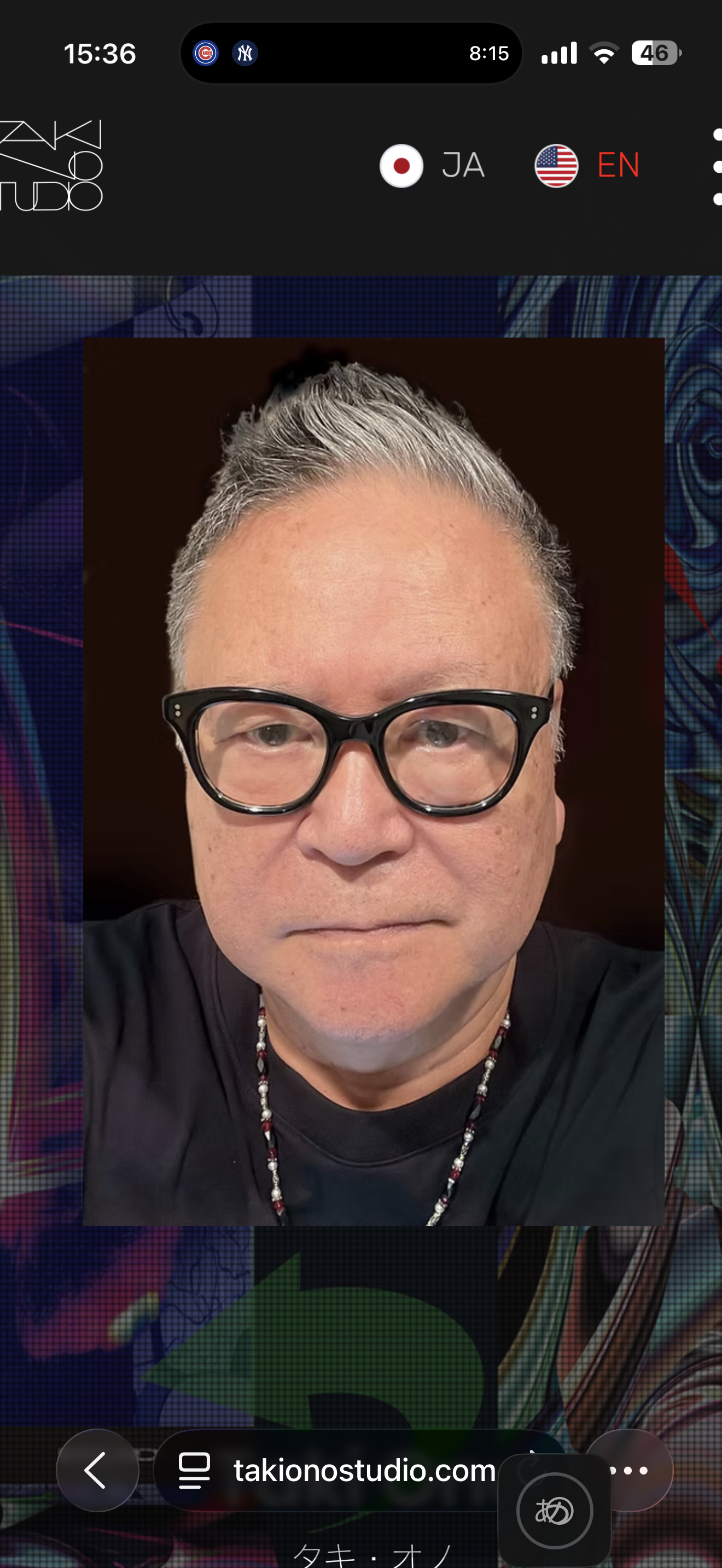
私は哲学者でも作家でもない。
ずっとデザインをやってきた、ただの一人の人間だ。
大学で経済学を学び、そのあとアメリカに渡ってデザインを学んだ。
写真家のスタジオでいろいろな人に出会い、ビバリーヒルズでネイルアートを手がけ、ハリウッド映画のポスターもつくった。
それから日本に戻り、化粧品や企業のデザインに携わってきた。
華やかさも、競争も、欲もあった。
喜びも失敗も、出会いも別れも数多くあった。
若い頃は、前に進むこと、認められること、自分を試すことに意味があると思ってばかりいた。
それは今も否定しない。
あの世界を通らなければ、人間の美しさも、弱さや危うさも知らなかっただろう。
うまくいったこともいかなかったことも、全部が今の自分をつくっている。
これまで、美や欲、執着、手放すことなど、いろいろなことを書いてきた。
答えを知っていたからではない。
わからないから書いてきたのだ。
自分の経験を言葉にしながら、その奥にある意味を探してきたのだと思う。
『シッダールタ』の最後で、大切な役割を果たすのが川だ。
川はずっと流れているのに、いつもそこにある。
過去も今も、喜びも悲しみも、生も死も、ひとつの流れになっている。
では、自分にとっての川とは、何だったのだろう。
音楽だったのかもしれない。
十代の頃に聴いたヴンダーリヒの歌声が、六十年近い時を経た今も胸に響く。
マリンカウンティの霧の中で聴いたポール・ホーンのフルートも、今なおあの日の空気を運んでくる。
音楽の中では、若い頃の自分も今の自分も、同じ響きの中にいる。
あるいは、デザインこそが自分にとっての川だったのかもしれない。
長いあいだ、形をつくってきた。
けれど本当に見つめていたのは、その向こうにいる人間だった。
人はなぜ美しいと感じるのだろう。なぜ心を動かされるのだろう。
デザインを通して人を見続けてきた私は、最近では、形の中に探してきた意味を、言葉の中に探そうとしている。
何かを悟ったわけではない。
今も迷い、揺れ、間違える。
それでも、人生に無駄な時間などなかった気がする。
苦しみも喜びも遠回りも、すべてがひとつの流れとなり、今の自分へとつながっている。
人生そのものが、自分にとっての先生だった。
What I Understand Only Now
—Thinking of Siddhartha
Reading Hesse's Siddhartha, I found myself, before I knew it, looking back on my own life.
Siddhartha seeks the truth, walking many paths. He gives himself to a life of asceticism, meets a great teacher, and eventually steps into love, desire, and wealth.
And yet, nowhere does he find the answer.
Or rather—the answer was never absent. It simply could not be seen until he had lived it himself.
However fine the teaching, hearing it is not the same as making it one's own wisdom. Understanding an answer given by another, and knowing something through one's own life, are not the same thing.
That, I think, I understand a little now.
I am neither a philosopher nor a writer.
I am simply someone who has spent a long life in design.
I studied economics at university, then went to America to study design. I met all kinds of people in a photographer's studio, did nail art in Beverly Hills, and made posters for Hollywood films.
Later I returned to Japan and worked on design for cosmetics and corporations.
There was glamour, competition, desire.
There was joy and failure, meeting and parting.
In my youth, I believed there was meaning in moving forward, in being recognized, in testing what I was capable of. Even now, I don't deny that.
Had I not passed through that world, I would never have known not only human beauty, but its fragility and its danger as well. Success and failure alike have made me who I am today.
I have written, over the years, about beauty, desire, attachment, letting go. Not because I knew the answers. I wrote because I didn't.
I think I have been trying to put experience into words, searching for the meaning underneath.
In Siddhartha, it is the river that plays the final, essential role. The river flows without end, and yet it is always there. Past and present, joy and sorrow, life and death—all become one current.
What, then, was my river?
Perhaps it was music.
Wunderlich's voice, heard in my teens, still moves something in me nearly sixty years later. Paul Horn's flute, heard in the fog of Marin County, still carries the air of that day.
In music, the young man I was and the man I am now stand in the same resonance.
Or perhaps design itself was my river.
For a long time, I made forms.
But what I was truly looking at, all along, was the human being behind the form.
Why do we feel something is beautiful? Why are we moved?
Having spent my life looking at people through design, I find myself now, more and more, searching for the meaning I once sought in form—in words instead.
I have not arrived at any great realization.
I still hesitate, still waver, still make mistakes.
And yet it seems to me that none of it was wasted. The suffering, the joy, the long detours—all of it became one current, flowing into who I am now.
Life itself was my teacher.
コメント